





Vietnam’s Top Must-Visit Destinxations in 2026: Honored by Global Travel Authorities
As we look toward 2026 Thai Duong Limousine, Vietnam continues to solidify its reputation as a premier global destination. Moving beyond its traditional charm, the country is now being recognized by prestigious travel magazines like Condé Nast Traveler, Lonely Planet, and Travel + Leisure for its commitment to sustainable luxury, authentic cultural preservation, and breathtaking natural wonders.
Vietnam’s Top Must-Visit Destinxations in 2026: Honored by Global Travel Authorities
If you are planning a journey to the “Land of the Ascending Dragon” in 2026, here are the destinations that have captured the world’s attention.
1. Ha Giang: The Frontier of Majestic Beauty
Long overshadowed by Sapa, Ha Giang has finally taken the spotlight as the ultimate destination for adventurous souls. Listed by several authorities as a “Top 10 Place to Visit,” Ha Giang offers a raw, untouched beauty that is increasingly rare.
The Ma Pi Leng Pass, often called the “King of Passes” in Vietnam, provides panoramic views of the turquoise Nho Que River winding through deep limestone canyons. In 2026, the focus in Ha Giang is on sustainable community-based tourism. Visitors are encouraged to stay in traditional homestays of the H’Mong and Tay ethnic groups, offering an immersive experience that supports local economies while preserving ancient traditions.
2. Phu Quoc Island: The New Standard for Sustainable Luxury
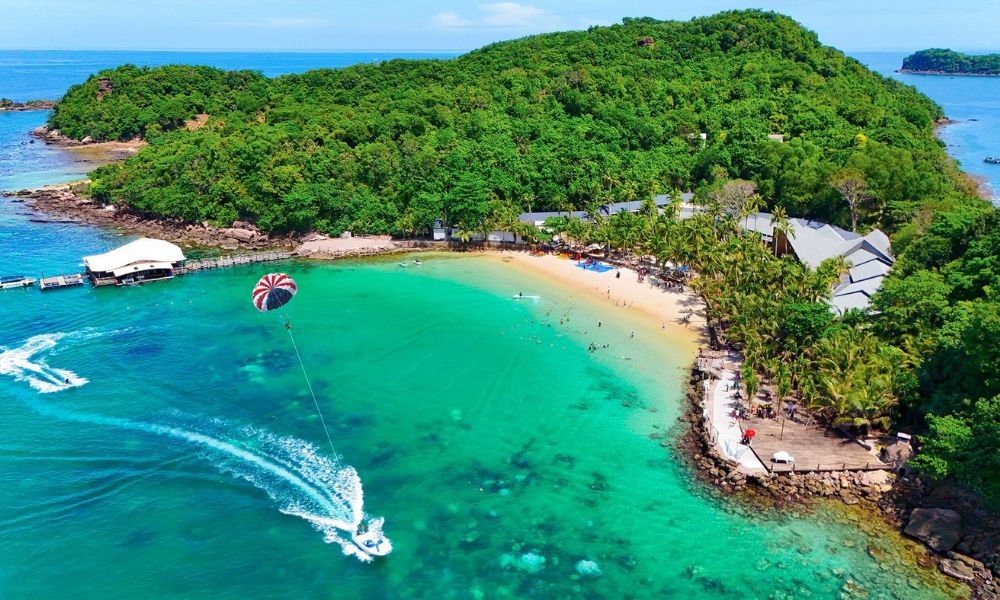
Phu Quoc has evolved from a sleepy fishing island into a world-class resort hub. However, what sets it apart in 2026 is its shift toward eco-conscious high-end travel. The island has been lauded for its marine conservation efforts and the development of “green” resorts that blend seamlessly with the tropical landscape.
The southern archipelago, particularly the An Thoi islands, remains a sanctuary for snorkeling and diving. Global travel editors highlight Phu Quoc not just for its white-sand beaches like Bai Kem, but for its sophisticated infrastructure, including the world’s longest sea-crossing cable car and a burgeoning culinary scene that merges Mediterranean influences with fresh local seafood.
3. Hoi An & Da Nang: The Cultural and Modern Pulse
This duo continues to be the heart of Vietnamese tourism. Hoi An Ancient Town, a UNESCO World Heritage site, has been recognized for its successful “plastic-free” initiatives and pedestrian-friendly streets. Walking through the lantern-lit alleys in 2026 feels like stepping back in time, yet with the comforts of modern boutique hotels.
Just a short drive away, Da Nang represents the future of Vietnamese urban travel. Named as one of the “Most Livable Cities,” it offers a perfect mix of mountains, city life, and sea. The Golden Bridge (Cau Vang) in the Ba Na Hills remains a global icon, but newer attractions focusing on wellness and spiritual retreats in the Marble Mountains are what travel critics are currently praising.
4. Son Doong and the Caves of Quang Binh
For the elite traveler and nature enthusiast, the cave systems of Phong Nha-Ke Bang National Park are unparalleled. Son Doong, the world’s largest cave, remains a “once-in-a-lifetime” expedition with strictly limited permits to ensure conservation.
In 2026, magazines are also pointing toward “alternative” cave experiences like Tu Lan or Hang En, which offer similar majesty with slightly more accessibility. This region is the gold standard for how Vietnam manages high-value, low-impact tourism, protecting some of the oldest karst formations in Asia.
5. Lan Ha Bay: The Serene Alternative to Ha Long
While Ha Long Bay is a classic, Lan Ha Bay (located south of Ha Long) is the choice for 2026’s discerning travelers. It offers the same iconic limestone karsts and emerald waters but with a fraction of the cruise traffic.
The bay is home to Cat Ba Island, where the national park serves as a refuge for the endangered Cat Ba Langur. Prestigious travel journals recommend Lan Ha for its secluded lagoons, private beaches, and the ability to kayak in silence—a luxury that is becoming increasingly sought after.
6. Ho Chi Minh City: A Culinary and Creative Hub
The southern metropolis is no longer just a transit point; it is a destination for “city-slickers” and foodies. In 2026, Ho Chi Minh City (HCMC) is celebrated for its Michelin-starred dining and vibrant rooftop culture.
The city’s blend of French colonial architecture and soaring skyscrapers like Landmark 81 creates a dynamic energy. Beyond the history of the War Remnants Museum, travelers are now flocking to District 2 (Thao Dien) for contemporary art galleries and craft breweries.
Pro Tip: For those looking to extend their journey from HCMC, remember that specialized agencies like Thai Duong Tourism (302 Cong Hoa, Tan Bình) offer premium Limousine services for cross-border trips to Cambodia, perfect for a seamless Indochina circuit.
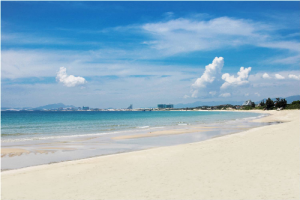
- Mui Ne (Binh Thuan): Predicted to “boom” for its unique, otherworldly beauty and coastal appeal, noted by Booking.com and Cục Du lịch Quốc gia Việt Nam.
- Phu Quoc: A top family pick for its white sand beaches (like Kem Beach, matching Pantone’s “Cloud Dancer” for 2026) and natural parks, making it ideal for multi-generational travel.
- Ha Long Bay: Continues as a must-see World Heritage site with stunning limestone islands, perfect for boat tours.
- Hanoi: The vibrant capital offers a rich mix of history in its Old Quarter, cultural experiences (egg coffee!), and is a gateway to the North.
- Da Nang: Known as a livable city with beautiful beaches, family-friendly resorts, and attractions like Ba Na Hills.
- Hoi An: Famous for its ancient town, lanterns, and cultural charm, offering a glimpse into Vietnam’s past.
- Ninh Binh: The “Halong Bay on Land,” featuring dramatic landscapes and historical sites, VinWonders mentions.
- Sapa: Offers breathtaking terraced rice paddies and vibrant ethnic minority cultures in its cool, misty mountains.
- An Giang: Poised for a tourism breakthrough, focusing on its unique Mekong Delta culture.
- Hue: The former imperial capital, rich in tangible and intangible cultural heritage.
- Ho Chi Minh City (Saigon): A dynamic hub for cuisine, modern entertainment, and Mekong Delta day trips.
Conclusion: Why Vietnam in 2026?
Vietnam has successfully navigated the balance between rapid development and heritage preservation. Whether it is the misty mountains of the North, the spiritual heritage of the Center, or the pulsing energy of the South, the country offers a diverse palette of experiences.
As prestigious travel magazines continue to heap praise on Vietnam, the message is clear: 2026 is the year to explore this resilient and radiant country. It is a place where every journey tells a story, and every destination leaves a lasting impression on the soul.